Environnement, santé et sécurité

Services de conseil en matière d'hygiène industrielle

J.S. Held fait l'acquisition de GLI Advisors, renforçant ainsi ses services d'assistance aux projets de construction dans l'ouest des États-Unis et à Hawaï.

En savoir plus fermer Créé avec Sketch.

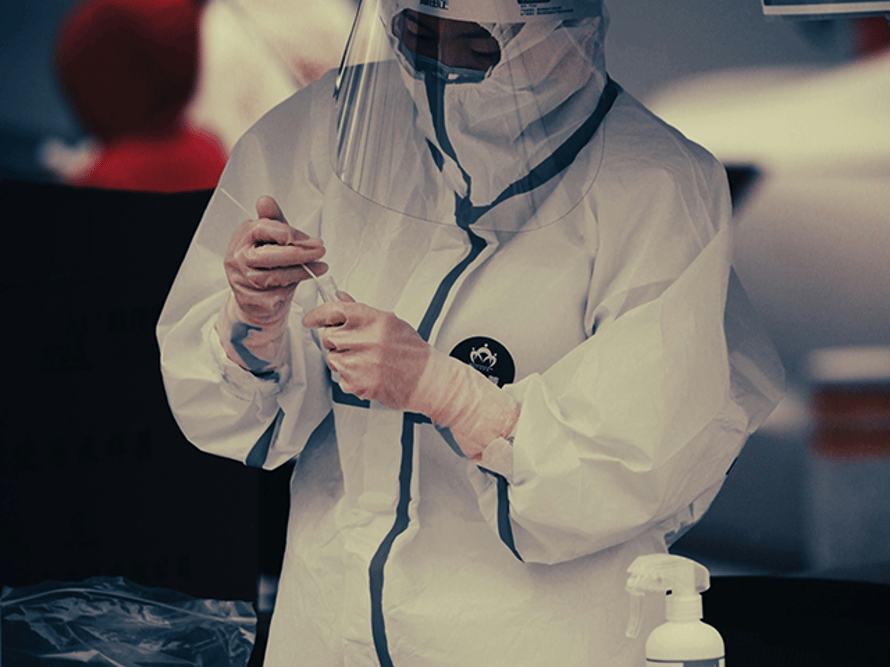
Our team of Certified Industrial Hygienists (CIHs), Certified Safety Professionals (CSPs), and environmental scientists provide industrial hygiene services for matters involving asbestos, lead, mold, legionella, smoke, noise, occupational risks, and other hazards.

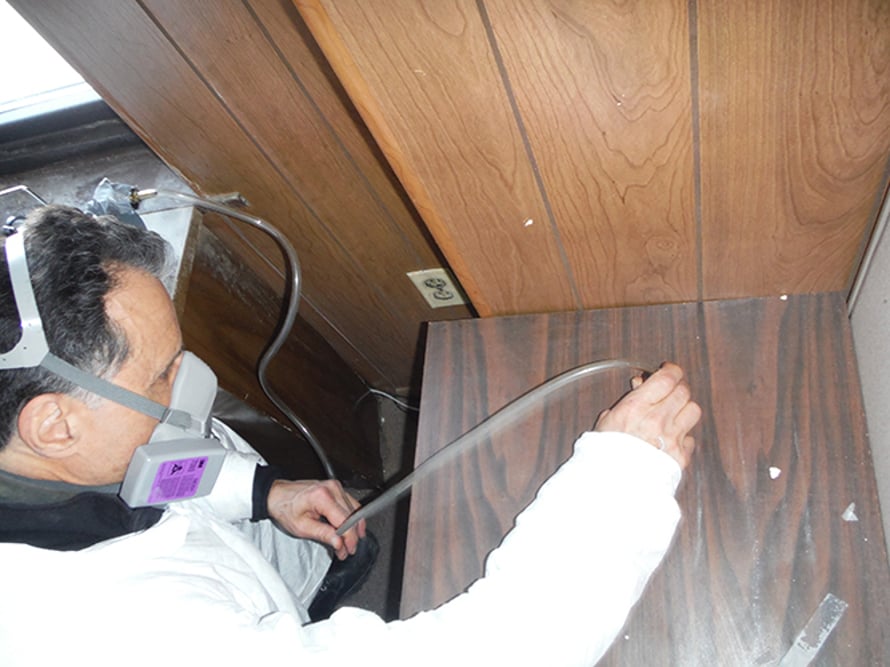
J.S. Held industrial hygiene experts are retained to perform exposure assessments, environmental sampling, indoor air quality testing, noise and moisture mapping, and cause and origin investigations. Our expertise helps corporate, governmental, insurance, and legal professionals understand how workplace conditions may affect occupants, workers, and ongoing operations. We also develop risk mitigation programs that provide practical monitoring solutions for environmental and occupational hazards.

Our Industrial Hygiene Services

  • Asbestos Inspections, Testing, Project Management, Project Design, Clearance, and Monitoring
  • Plans d'hygiène chimique
  • Échantillonnage d'enlèvement pour réoccupation de l'immeuble
  • Modélisation de dispersion informatisée
  • Development of Mitigation Programs for Environmental and Occupational Hazards
  • Enquêtes environnementales pour les environnements bâtis
  • Évaluation des dommages matériels environnementaux
  • Échantillonnage environnemental
  • Évaluation de l'équipement de protection individuelle, y compris les tests de matériel
  • Exposure Assessments and Risk Characterization
  • Fire and Smoke Damage Assessments
  • Hazardous Waste Assessments, Management and Control
  • Analyse de la qualité de l'air intérieur (QAI)
  • Services de qualité de l'environnement intérieur
  • Surveillance de l'hygiène industrielle
  • Évaluations des risques liés à la prévention des infections (ICRA)
  • Job Safety Analysis (JSAs) and Workplace Hazard Assessments (WHAs)
  • Lead Inspections, Testing, Project Management, Project Design, Clearance, and Monitoring
  • Legionella Assessments and Risk Mitigation
  • Moisture Mapping and Thermal Imagery Assessments
  • Mold Cause and Origin Investigations
  • Mold Remediation Protocol Design and Oversight
  • Noise Mapping and Monitoring
  • Contrôles des radiations NORM
  • Évaluations des odeurs
  • Personnel Exposure Assessments and Monitoring
  • Évaluations de l'état de la propriété
  • Évaluations de l'efficacité du nettoyage pour la remise en état

Our Industrial Hygiene Experts and the Clients We Serve

We are engaged by insurance professionals, legal counsel, owners/developers, property managers, construction and real estate companies, financial institutions, governments agencies, utilities, and risk managers to identify, evaluate, and control environmental, physical, chemical, and biological workplace hazards.

Our team is composed of:

  • Responsables certifiés pour les matières dangereuses
  • Hygiénistes industriels certifiés
  • Professionnels de sécurité certifiés
  • Thermographes certifiés
  • Scientifiques spécialistes de l'environnement
  • Épidémiologistes
  • Experts en maladies infectieuses
  • Experts autorisés en réglementations
  • Microbiologistes
  • Ingénieurs professionnels
  • Responsables de projets
  • Consultants en restauration
  • Toxicologues

Asbestos Inspections, Abatement Oversight, and Clearance Testing

J.S. Held industrial hygienists are retained to evaluate buildings for asbestos-containing materials (ACMs) in components including insulation, flooring, textured paint, ceiling and roofing systems, and other building materials. L'administration de la sécurité et de la santé au travail (OSHA) et l'agence de protection de l'environnement (EPA) exigent toutes deux une inspection de l'amiante avant de démolir, de restaurer ou de remodeler la plupart des propriétés.

Our expertise includes asbestos inspections and sampling strategies, documentation of ACMs, and development of abatement specifications if ACMs are discovered. During abatement, we monitor remediation activities and conduct clearance testing to verify asbestos removal post-abatement. Our evaluations and findings are utilized in regulatory compliance, restoration projects, and insurance claim-related matters.

Moisture Mapping and Thermal Imagery Assessments

Water intrusion and damage are not always visible, and concealed moisture can affect building assemblies, finishes, and contents long after an event occurs. Our industrial hygienists perform moisture mapping assessments to survey affected areas and document moisture readings across materials, as well as infrared imagery to identify moisture patterns, gradients, and hidden migration pathways.

Our moisture mapping and thermal imagery assessments are used when damage is intermittent or localized, when odors or humidity complaints persist, or when the full pathway is not apparent through visual inspection alone. Our findings help define the extent of affected components and separate wet, drying, and unaffected areas, informing additional destructive testing that may be required and remediation decisions.

Mold Investigations and Remediation Oversight

Water damage can result in mold growth and, if left untreated, impact indoor air quality and cause potential harm to human health. Our industrial hygienists and mycologists conduct mold investigations and mold testing to evaluate affected materials, identify moisture drivers, and determine whether the observed conditions support mold amplification, then deliver our findings so stakeholders understand the impacts and contributing conditions.

We then develop strategic remediation protocols that define containment, cleaning, and removal approaches aligned with building use, occupant considerations, and the materials involved, with procedures tailored to the scope and access constraints of the site. Post-remediation verification testing documents conditions following remediation and confirms that cleaning and removal activities effectively addressed the areas of concern.

Fire and Smoke Damage Assessments

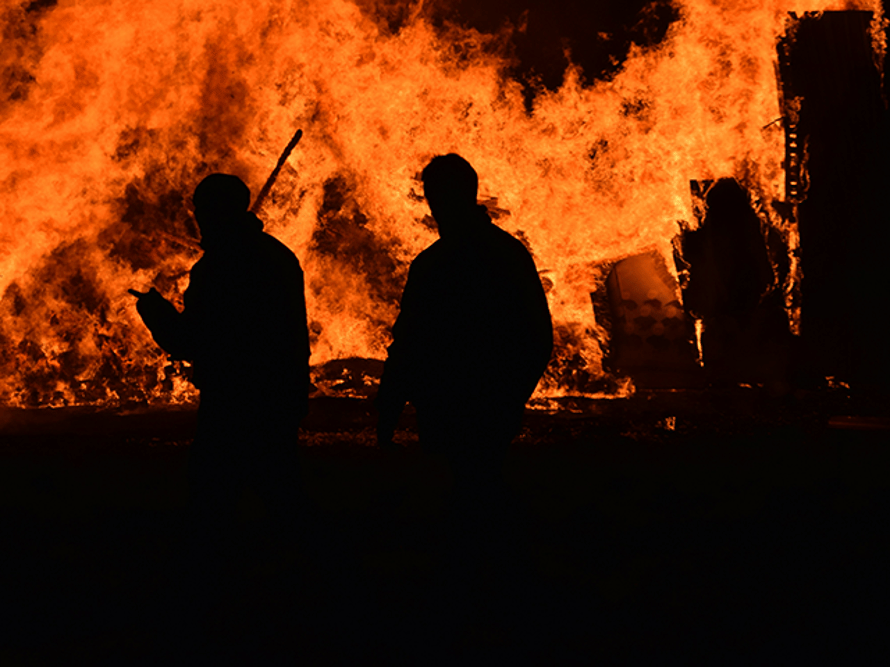
After a fire event, smoke residue and odors can affect building materials, finishes, contents, and indoor environments, including areas that may not show visible damage.

Our fire and smoke damage assessments include site observation, detailed photo documentation, and evaluation of affected rooms, assemblies, and contents, along with review of building use, ventilation conditions, and restoration activities completed to date. When necessary, we provide material sampling and testing to determine smoke impact and extent of damage, which can help address soot and residue characterization, particulate conditions, and combustion-related byproducts that influence restoration scope and approach, contents handling, material removal decisions, and re-occupancy planning. Following cleaning and restoration, we conduct clearance testing to verify safe re-occupancy of the space or if any issues remain and require additional attention.

Industrial Hygiene Risk Mitigation Program Development

Our industrial hygienists help clients develop comprehensive risk mitigation programs that address environmental and occupational hazards by defining monitoring approaches, control measures, and procedures aligned with site conditions and operational requirements. These occupational hazard risks may include chemical exposures, airborne particulate matter, noise, heat stress, and task-specific safety issues, in addition to building-related concerns such as mold, asbestos, lead, and smoke that can affect indoor environments and human health.

We help establish how hazards will be identified, monitored, and controlled over time, with practical direction that teams can apply in the field and be maintained through changing site conditions. Program elements include sampling and monitoring plans, evaluation of engineering and administrative controls, review of work practices and sequencing, personal protective equipment (PPE) considerations, and written procedures for managing hazards. As conditions evolve, programs can incorporate updates to monitoring frequency, trigger criteria for additional evaluation, and define role-based responsibilities so hazard management remains consistent from planning through execution.

Indoor Air Quality (IAQ) Services

J.S. Held industrial hygienists evaluate indoor air quality concerns that may be affecting a public or commercial space, as well as its occupants. Our services combine observation and review of building history, moisture conditions, ventilation, and other factors, with on-site sampling and monitoring unique to the indoor air quality claim or investigation.

Our services help address concerns including mold, asbestos, lead, smoke, combustion byproducts, particulate matter, and other indoor air contaminants. These assessments identify likely sources of pollutants, define the extent of the affected area(s), and aid in determining the appropriate response, providing actionable insight for corporate, governmental, insurance, and legal professionals.

Pour en savoir plus sur nos services et pour entrer en contact avec l'expert le plus compétent au sein de notre équipe internationale, veuillez contacter :

Allison Stock
Voir biographie
Allison Stock
Vice-président principal | Environnement, santé et sécurité
Bill Zoeller
Voir biographie
Bill Zoeller
Vice-président | Responsable de la ligne de service des sinistres EHS
Analystes spécialisés

Nos analystes traitent une variété de sujets en rapport avec le monde des affaires, la société, l'économie et l'environnement. Consultez nos derniers livres blancs, rapports de recherches, séminaires éducatifs, conférences, et articles.

 
Études de cas
 
APERÇUS DE L'INDUSTRIE
Soyez au courant des dernières recherches et des derniers communiqués de notre équipe.
Nos experts